
Introduction
I once stood in a small factory office and watched a line of rolls turn into boxed wet wipes—dust on the floor, a calendar on the wall, and people who knew every machine by sight. The wholesale wet wipe production line was humming, and the numbers on the shop whiteboard told a simple truth: demand had doubled in three years (yes, really). Recent trade data shows mid-size manufacturers now ship millions of packs annually. So I asked myself: how do you pick the right route when cost, speed, and quality all pull in different directions?
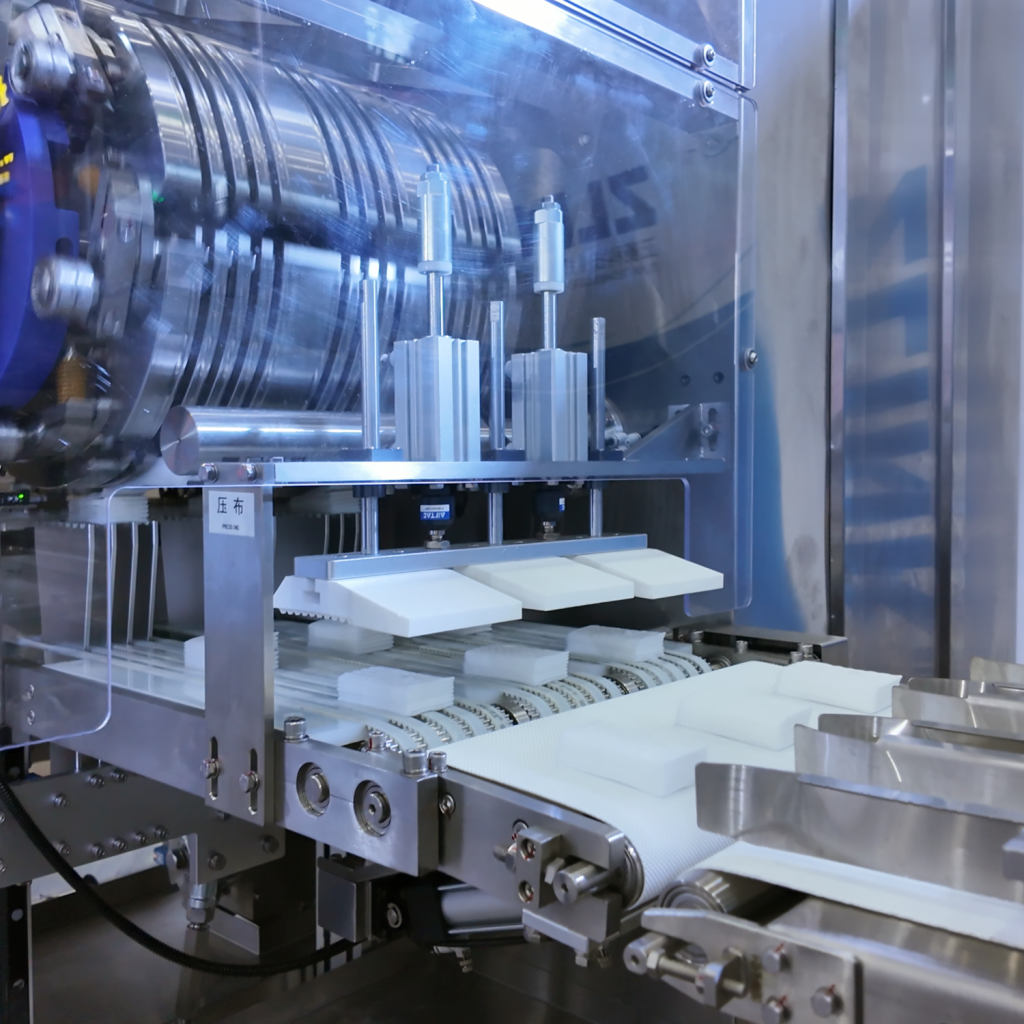
That question leads us into the real choices—where machines, staff, and supply meet. We’ll look at the problems you see every day, then move on to the fixes that matter. Onward to the price and pain points.
Deeper Issues: Price and Practice
wet wipes machine price is where many talks end, but that’s a mistake. I say this from hard experience: focusing on sticker cost alone ignores feedstock cost, downtime, and rework. In technical terms, a lower quoted price can hide weak PLC integration, crude servo motors, and poor roll slitting setup—all of which raise operating cost over time. Look, it’s simpler than you think: the cheapest machine can cost you more per wipe after a season of jams and waste.
We often see two classic flaws. First, vendors sell modules without true line balance; laminators run faster than packers, so product piles up or breaks. Second, buyers neglect maintenance access—belt drives and rotary die stations are cramped, so simple fixes become multi-hour tasks. These are not abstract problems. They are daily frustrations that erode margins and morale—frustrating for operators and costly for owners. I’ve watched teams lose hours to misaligned sensors and then shrug; that shrug is where hidden costs live. — funny how that works, right?
Why does price miss the point?
Because price rarely covers integration. It rarely covers training. It rarely covers spare parts that actually fit.
Looking Forward: New Technology Principles
Now, let’s shift. I want to talk about principles that change decisions. When you factor in smart design, you change the meaning of a quoted wet wipes machine price. I’ve seen teams adopt modular frames, better HMI logic, and improved sensor arrays that cut downtime by a third. Those are engineering choices—use of nonwoven fabric feed sensors, improved air knife placement, and routine calibration routines—that pay off fast. The principle is this: design for service, not just speed.
Compare two short scenarios. In one, a line with cheap parts stalls twice a shift. In the other, a slightly pricier line with proper access panels and a clear PLC map runs smoothly and allows quick roll changeovers. The latter frees staff to focus on quality control instead of firefighting. That saves money and improves brand trust—both visible in the ledger. We should judge machines by throughput stability, not headline throughput numbers. Practical. Measurable. Encouraging—because the fixes are within reach.
What’s Next?
Choose with these three metrics in mind: uptime percentage, mean time to repair (MTTR), and yield after packing. They are simple, and they tell the truth. First, uptime percentage shows if a line can keep pace day after day. Second, MTTR measures how fast you recover—access, spare parts, and clear wiring all matter. Third, yield after packing shows final product waste; it is the bluntest measure of real cost. If you score a machine against these, price becomes context, not the decision.
So yes—I feel strongly about this. Buy for serviceability. Buy for parts that last. Buy machines that your team can fix at 2 a.m. without calling a new technician. Those choices change margins and staff morale. For practical sourcing and proven lines, I recommend reviewing options from trusted suppliers who publish integration specs and spare-part lists. For a solid starting point, consider vendors that back their claims with real-life uptime data and clear support channels—like those linked here.
We’ve covered the scene, the pains, and the fixes. If you want guidance on evaluating suppliers step-by-step, I’m ready to walk you through it. And if you prefer to start with measured figures—uptime, MTTR, yield—those three will guide you well. ZLINK