
Introduction — a small shop, a big problem
I was in a tiny fabrication shop last month when the afternoon cut filled the room with a thin haze. The workshop had a laser cutter fume extractor installed, yet the air felt stale and the smell lingered. Many operators find that particulate matter (PM2.5) spikes during runs; studies often show indoor concentrations can pass recommended limits. So why does a device meant to clear smoke fail to do its job reliably?
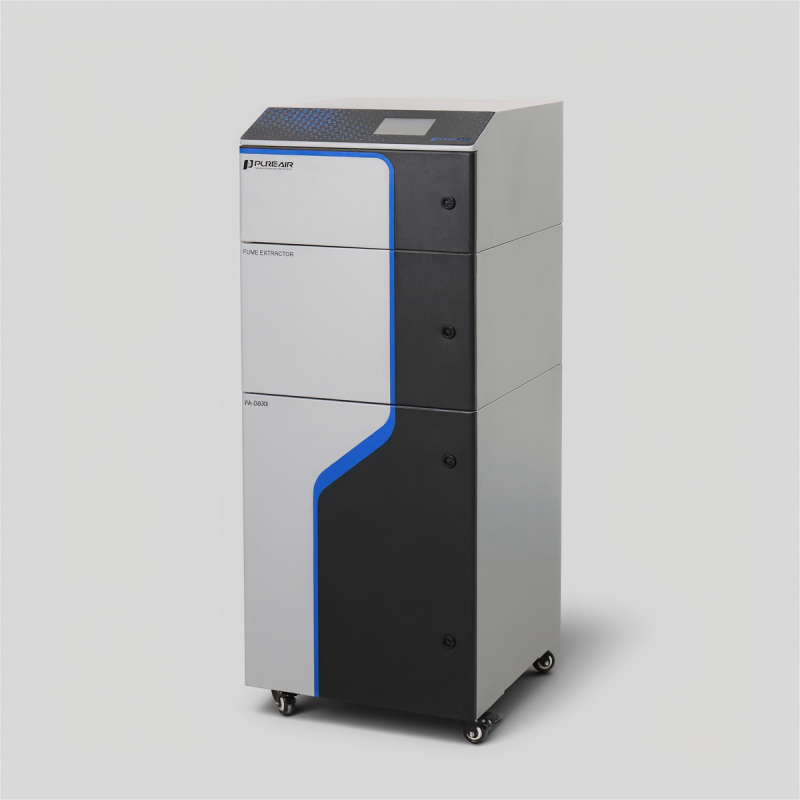
The scene is familiar: focused work, busy hands, and a fume extraction hood humming away — but the air remains compromised. You notice deposits on surfaces, the laser optics need more cleaning, and the team complains of headaches. What we need to ask is where the gap lies: system sizing, filter choice, or routine upkeep? (Small shops, especially, suffer — funny how that works, right?)
This piece will first probe the deeper faults in common approaches, then move on to how new principles and decisions can deliver cleaner, safer air for laser cutting. Let us proceed.
Traditional solution flaws and hidden pain points
Why do common systems fail?
When I visit workshops, the same problems recur. Often the installed solution is a generic dust collector for laser cutting machine sized for some other shop. The unit looks right on paper, yet the real-world performance lags. Filtration efficiency is one culprit: many systems use coarse pre-filters but lack true HEPA stages. That lets fine particles and ultrafines slip through. The blower motor may be undersized for the required airflow rate, so the fume extraction hood cannot capture the plume at source.
Another pain point is human behaviour. We see operators turn units off to save noise or to avoid constant bag changes. Maintenance cycles are vague. Filters become clogged, reducing capture efficiency and increasing load on the blower. Activated carbon beds, important for volatile organic compounds (VOCs), are often overlooked or replaced with cheaper media that saturate quickly. Look, it’s simpler than you think: if you under-specify the fan or over-rely on a single-stage filter, the system will underdeliver. In short, mismatch in design, poor filter strategy, and lax upkeep create the illusion of protection while allowing exposure to persist.
New technology principles and practical outlook
What’s next for cleaner cutting?
We need to shift from one-size-fits-all fixes to principled design. A modern approach begins with source capture: position the fume extraction hood close to the cut to lower required airflow. Pair that with staged filtration — a quality pre-filter, a HEPA stage for particulates, and an activated carbon module for VOCs. When I specify systems now, I check three things first: capture velocity at the hood, airflow rate in cubic metres per hour, and the filter’s rated efficiency for submicron particles. If any of those are weak, the overall system fails.
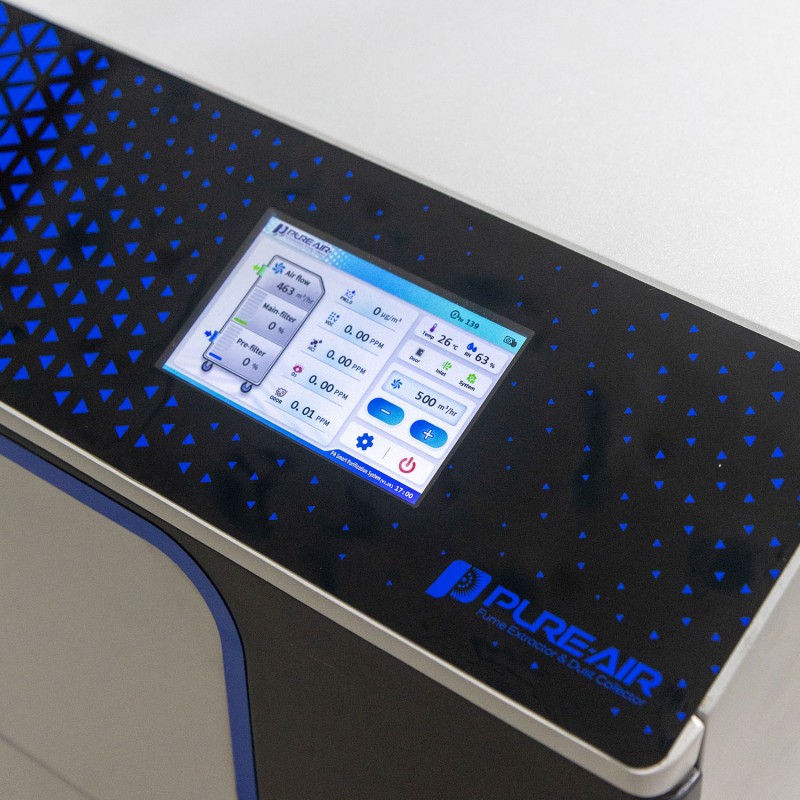
Newer units also use smarter controls. Sensors that track particulate counts or pressure drop across filters can prompt maintenance before performance collapses. Some systems integrate simple PLC logic to ramp fan speed during heavy cuts, which saves power yet keeps capture robust. We must also consider practical matters: ease of filter replacement, filter cost, and local service. A well-chosen dust collector for laser cutting machine that matches your cut profile will be quieter and less intrusive — and thus actually used. — it’s pragmatic engineering, not glamour.
To choose wisely, weigh these three metrics: airflow rate (m3/h) tied to capture geometry; filtration efficiency (percent removal of PM0.3–PM2.5); and total cost of ownership (filters, energy, service intervals). I find these give a clear picture of long-term performance. If you check these, you avoid systems that look good but perform poorly.
In my experience, applying these principles reduces downtime and improves air quality measurably. It also makes technicians more comfortable and reduces cleaning of laser optics. For practical options and system examples, consider manufacturers that publish test data and offer local support. For reliable solutions, see PURE-AIR.