
Outdoor advertising remains one of the most effective ways to captivate a broad audience and enhance brand visibility. By placing advertisements in strategic locations, such as busy highways, city centers, and public transport hubs, businesses can ensure their messages reach consumers throughout their daily routines. Unlike digital ads that can be skipped or blocked, outdoor ads are persistent and highly visible, making them an essential component of modern marketing strategies. 流動展覽 This article explores the benefits, creativity, versatility, and impact of outdoor advertising, highlighting its value in a competitive market.
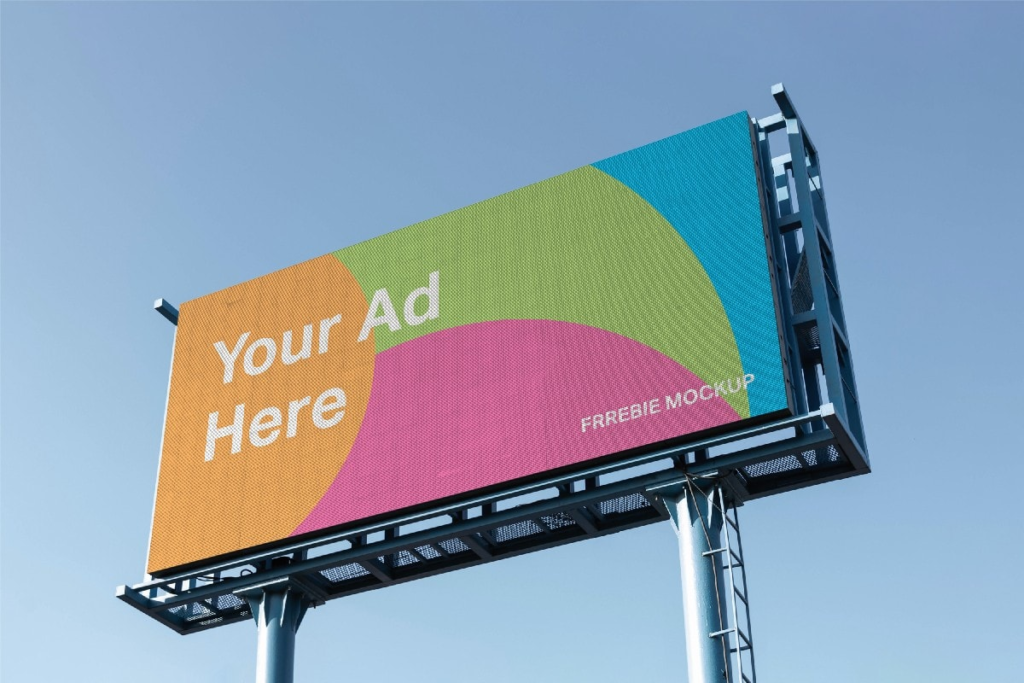
One of the primary advantages of outdoor advertising is its extensive reach and constant presence. Billboards, transit ads, and posters in high-traffic areas can expose a brand to thousands of potential customers daily. This medium ensures that consumers repeatedly encounter a message, fostering brand familiarity and recognition. Additionally, outdoor ads are not limited by screen size or device compatibility, allowing businesses to present bold visuals and concise messages that stand out. Whether someone is commuting to work or walking through a shopping district, outdoor advertising captures attention and builds awareness effectively.
Creativity plays a significant role in the success of outdoor advertising campaigns. Unlike other media formats, outdoor ads encourage bold designs and innovative ideas that resonate with audiences. For example, 3d billboards, augmented reality installations, and interactive street displays can transform an ad into an engaging experience. Memorable campaigns often integrate humor, emotion, or surprise, which not only captivate viewers but also generate buzz on social media. This creative freedom enables businesses to express their brand identity in unique ways, leaving a lasting impression on their audience.
Versatility is another strength of outdoor advertising. It accommodates a wide range of formats, including static billboards, digital displays, vehicle wraps, and even street furniture like benches and kiosks. This flexibility allows businesses to tailor their campaigns to specific goals, whether targeting local customers or building national brand awareness. Outdoor advertising also complements other marketing efforts by driving traffic to online platforms or encouraging in-store visits. For instance, a billboard promoting a discount can include a QR code or website link, seamlessly integrating offline and online channels for a cohesive strategy.
Finally, outdoor advertising influences consumer behavior by creating subconscious connections with a brand. Studies show that repeated exposure to advertisements fosters trust and familiarity, increasing the likelihood of a purchase. By using strategic placement and visually appealing designs, businesses can tap into consumer psychology and drive action. Furthermore, outdoor ads often become a part of the community’s visual landscape, reinforcing a brand’s presence and relevance. As technology advances, the integration of data analytics and location-based targeting further enhances the precision and effectiveness of outdoor campaigns.
In conclusion, outdoor advertising continues to be a powerful tool for businesses seeking to enhance their visibility and connect with diverse audiences. Its ability to deliver consistent exposure, foster creativity, and adapt to various formats ensures its relevance in a rapidly changing marketing environment. By leveraging the unique strengths of outdoor advertising, businesses can craft compelling campaigns that not only capture attention but also drive meaningful results.