
Understanding RFID Labeling
RFID labeling stands for Radio Frequency Identification, a technology that utilizes electromagnetic fields to automatically identify and track tags attached to objects. This method is particularly advantageous for businesses, as it streamlines inventory management and enhances operational efficiency. RFID labels contain an electronic chip and an antenna, enabling them to store data that can be accessed remotely. Companies implementing rfid labeling often see a reduction in labor costs and improved accuracy in tracking products throughout their supply chains. For instance, a manufacturing plant can effortlessly monitor the flow of components and assemblies, ultimately leading to reduced waste and optimized processes.
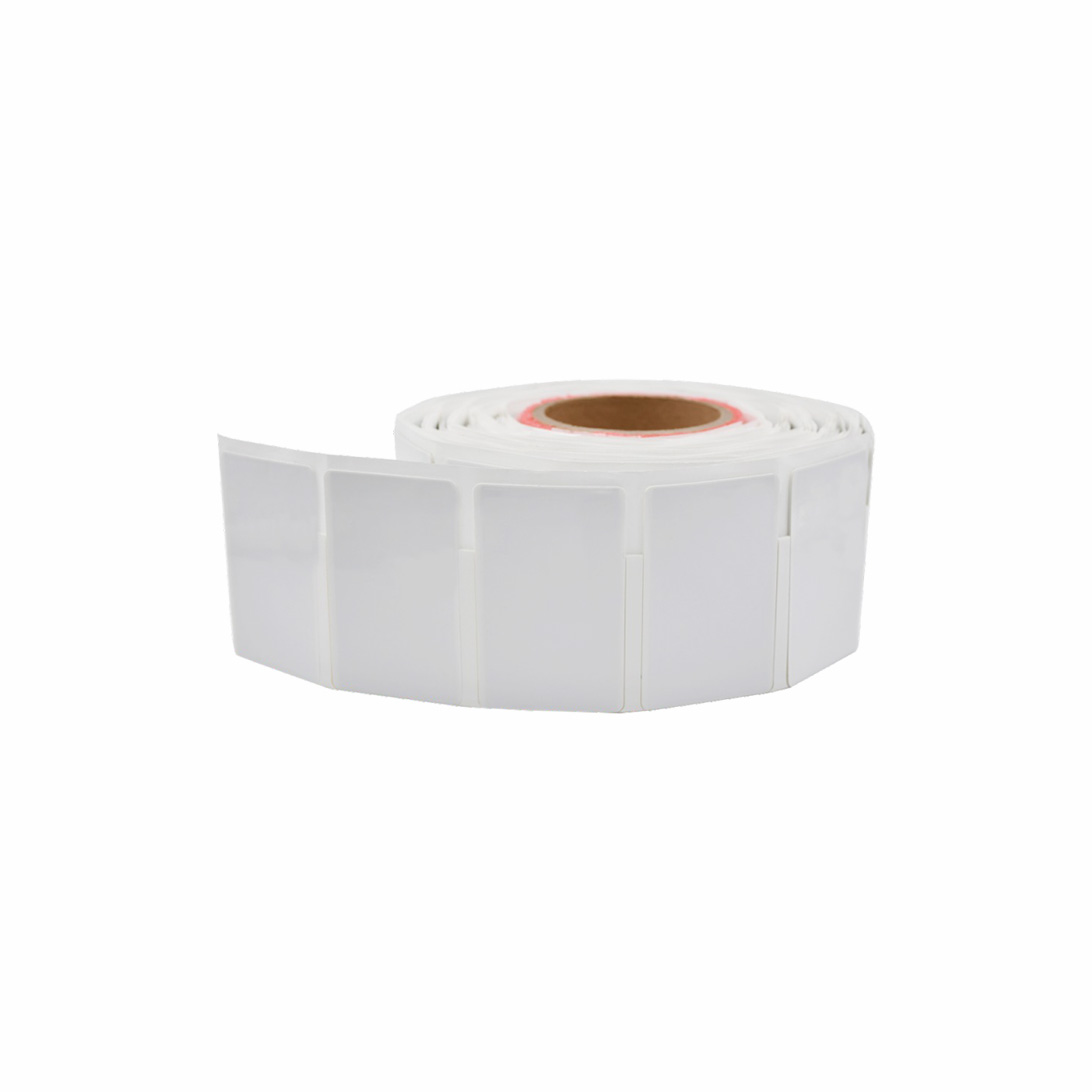
The Benefits of RFID Smart Labels
Moving beyond traditional labels, rfid smart labels offer enhanced data storage capabilities and improved read ranges. This innovation enables businesses to conduct inventory checks without direct line-of-sight access, thus saving time and reducing labor costs associated with manual scanning. For example, a retail store can quickly assess inventory levels across multiple locations using mobile devices, leading to better stock management and customer satisfaction. With the ability to integrate with existing systems, these smart labels provide a comprehensive solution that evolves alongside technological advancements, making them invaluable for businesses seeking to remain competitive in the fast-paced market.
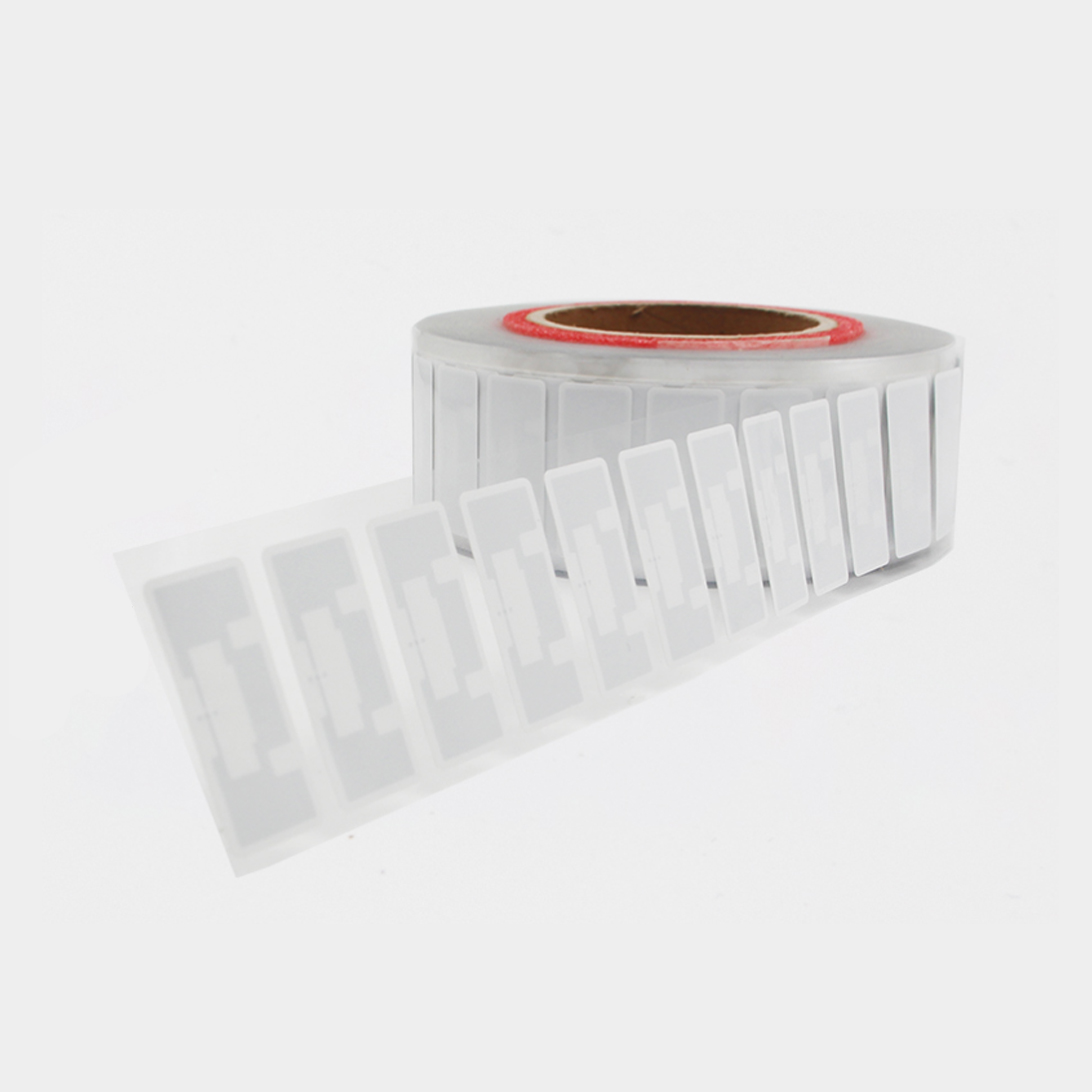
Diving Deeper into RFID Smart Labels
To further explore rfid smart labels, it’s essential to consider their role in enhancing supply chain visibility. These labels can be embedded with various types of data – from product origins to expiry dates – allowing businesses to maintain stringent quality control. For instance, in the food industry, firms can track perishable goods from farm to table, ensuring freshness and compliance with health regulations. Moreover, employing RFID technology significantly minimizes the risk of human error during inventory checks, fostering a culture of efficiency and accuracy. As organizations seek to leverage data analytics, RFID smart labels can serve as game-changers that unlock valuable insights and pave the way for strategic decision-making.
Conclusion and Recommendation
In conclusion, the transition towards RFID labeling and its smart counterparts represents a significant stride in operational efficiency and effectiveness across various industries. The ability to accurately track objects and collect invaluable data fosters both accountability and productivity. For those considering a reliable partner in this transformative journey, look no further than RSTC, a manufacturer renowned for its quality and supply advantages in the realm of RFID solutions. Their products not only meet but exceed industry standards, ensuring that businesses can confidently implement these innovations to better serve their customers.