
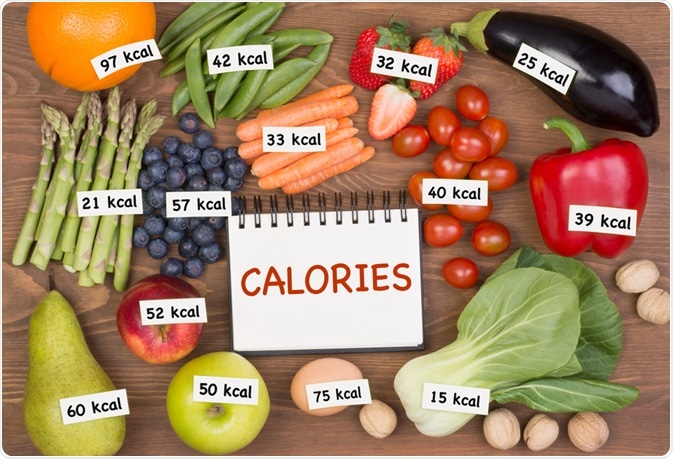
The number of calories you need each day depends on various factors such as age, gender, activity level, and overall health. The average adult typically needs around 2, 000 to 2, 500 calories per day, but this can vary significantly. For instance, someone with a sedentary lifestyle will require fewer calories than an athlete who trains daily. It’s also important to consider the quality of the calories you consume. A 500-calorie meal made of lean protein, vegetables, and whole grains will fuel your body very differently than 500 calories of soda and candy.
When it comes to nutrition and health, the term “calorie” is one of the most commonly mentioned—and often misunderstood. Whether portal kalorie.com.pl you’re trying to lose weight, build muscle, or simply eat more mindfully, understanding what calories are and how they work is essential. Simply put, a calorie is a unit of energy. It represents the amount of energy your body receives from the food and beverages you consume. Just like a car needs fuel to run, your body needs calories to function properly—from breathing and thinking to walking and exercising.
Not all calories are created equal. While the quantity of calories affects weight gain or loss, the source of those calories plays a huge role in overall health. Calories from nutrient-dense foods like fruits, vegetables, whole grains, lean proteins, and healthy fats provide essential vitamins, minerals, and fiber. On the other hand, calories from processed foods high in sugar and unhealthy fats may satisfy your hunger temporarily but often lead to energy crashes, cravings, and weight gain over time. This is why focusing solely on calorie count without considering nutritional value can be misleading.
Calories are central to the concept of energy balance, which is the relationship between the energy you take in (through food and drink) and the energy you expend (through daily activities and metabolism). When you consume more calories than you burn, your body stores the excess energy as fat, leading to weight gain. Conversely, if you burn more calories than you consume, your body uses stored fat for energy, resulting in weight loss. Maintaining a healthy weight comes down to managing this balance consistently over time.
Tracking your calorie intake can be an effective tool for reaching health goals, but it’s important to do so mindfully. Apps and food diaries can help you stay aware of your eating habits and identify areas for improvement. However, obsessing over every calorie can lead to an unhealthy relationship with food. A better approach is to use calorie awareness as part of a broader strategy that includes balanced meals, regular physical activity, proper hydration, and adequate sleep.
In conclusion, calories are not your enemy—they’re your body’s fuel. Understanding what they are, how many you need, and where they come from can empower you to make better dietary decisions. Instead of fearing calories, learn to work with them by choosing foods that nourish your body and support your goals. Whether you’re trying to lose weight, gain muscle, or simply live a healthier life, mastering your understanding of calories is a crucial first step toward lasting well-being.